

Move from what’s now to what’s next.
Move from what’s now
to what’s next.
Gender, Sexual, and Relationship Diversity
Celebrating Human Diversity
There is a wide and beautiful variety of ways that adults can experience, express, and enjoy gender, sexuality, and relationships. Scholars use the term Gender, Sexual, and Relationship Diversity (GSRD) to describe this broad spectrum of human experiences. GSRD recognizes that there is no single “right” way to live, love, or identify — and that diversity in identity and relationships is natural, healthy, and fulfilling.
What Does GSRD Include?
GSRD covers a wide range of communities, identities, and relationship styles. This includes lesbian, gay, bisexual, transgender, non-binary, genderqueer, intersex, asexual (LGBTQIA+) individuals, as well as heterosexual people. It also includes communities that embrace BDSM, kink, polyamory, consensual non-monogamy, swinging, D/s dynamics, and other relationship arrangements. Whether someone is single, in a long-term partnership, or part of a polyamorous or alternative family structure, GSRD highlights the many ways people experience gender, sexuality, and relationships.
Understanding Gender
Gender can refer to how we identify — male, female, non-binary, genderqueer, or other identities. Pronouns often reflect a person’s gender identity. Some people are cisgender, meaning their gender matches the sex they were assigned at birth. Others are transgender, meaning their gender differs from what was assumed at birth. Some people exist somewhere in-between or outside the traditional binary. Gender is deeply personal, and how we express it can change over time or in different contexts.
Understanding Sexuality
Sexuality is equally diverse. It can involve our sexual orientation (our enduring pattern of emotional, romantic, and/or sexual attractions to other people), who we are attracted to, how we experience attraction, and how we engage in sexual behaviors. This might include conventional sexual practices, BDSM, kink, or other expressions of sexuality. Sexual identity can reflect behavior, desire, or personal identity — and all variations are valid.
Understanding Relationships
Relationships describe how we connect to others. These connections may be emotional, sexual, romantic, long-term, temporary, or based on shared responsibilities or services. Relationships can take many forms: monogamous, polyamorous, casual, committed, family-oriented, or nontraditional arrangements. GSRD recognizes that there is no single “correct” structure for human connection.
 Diversity is at the Core
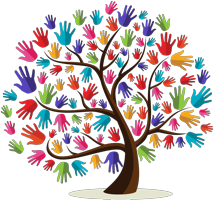
Diversity is the key principle of GSRD. It celebrates the wide range of identities, experiences, and relationship styles that make up human life. GSRD isn’t about “us versus them” — it is about understanding and honoring all of us. Everyone’s identity, experiences, and preferences deserve respect and recognition.
Fluidity and Exploration
Gender, sexuality, and relationships are often fluid. How we engage in romantic or sexual relationships can be influenced by our own gender identity, sexual orientation, experiences, and desires — as well as the identities and experiences of our partners. Exploring these aspects of ourselves and our loved ones can help us better understand our beliefs, choices, and behaviors.
Why GSRD Matters
At its heart, GSRD is about recognizing and honoring uniqueness. Each person has their own experiences, identities, and ways of connecting. Embracing diversity allows us to approach ourselves and others with curiosity, compassion, and acceptance. It helps us build healthier relationships, reduce stigma, and celebrate the richness of human experience.
Your Journey
Exploring your own gender, sexuality, and relationships can be a rewarding process. Therapy can provide a safe space to reflect, understand, and affirm your experiences.
Our Therapists Serving GSRD Communities
At Affirming Therapy Center, we honor all identities and relationship styles and support clients in navigating these aspects of life with clarity, confidence, and self-compassion.



Please contact us if you would like to find out more about gender, sexual, and relationship diversity.
Services
Specializations
Adult Baby Diaper Lovers
Alternative Lifestyles
Asexual Affirming Therapy
Depression Therapy
Eating Disorders
Erectile Dysfunction
Gay Therapist
Gender Identity & Trans Affirming Therapy
Gender, Sexual, & Relationship Diversity (GSRD)
Healing from Trauma
Infidelity Repair: If You Cheated
Infidelity Repair: If You Were Cheated On
Intimacy Issues
Kink, BDSM, and Fetish Exploration
LGBTQ-Friendly Therapy
Non-monogamy, Polyamory, & Open Relationships
Perimenopause, Menopause, and Postmenopause
Pet Play
Psychedelic-Assisted Psychotherapy
Relationship Challenges & Relationship Concerns
Sex Positive Therapist
Sex Therapy & Sexual Functioning Support
Sexual Health